






Frequently Bought Together




Soldering Iron, 60 W to 200 W, Internal Heating, 6 Models, Workshop and Electronics
Price range: $8.99 through $26.97More in This Category


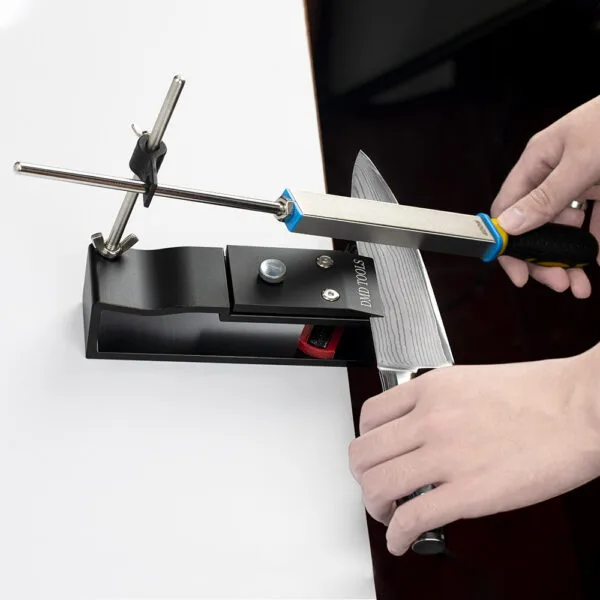
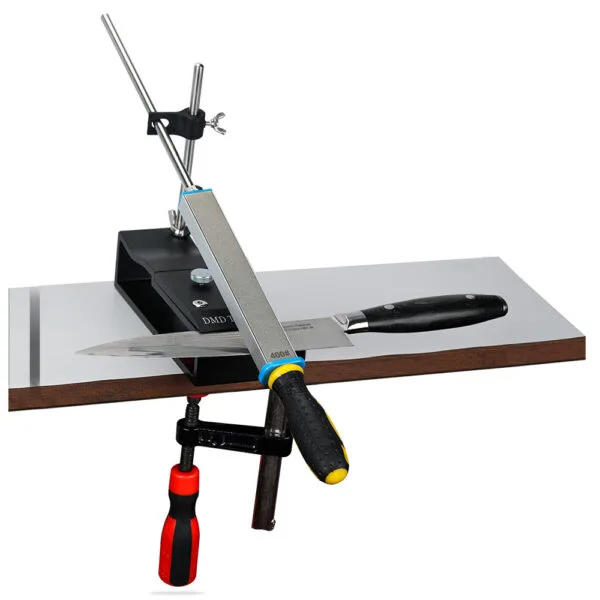

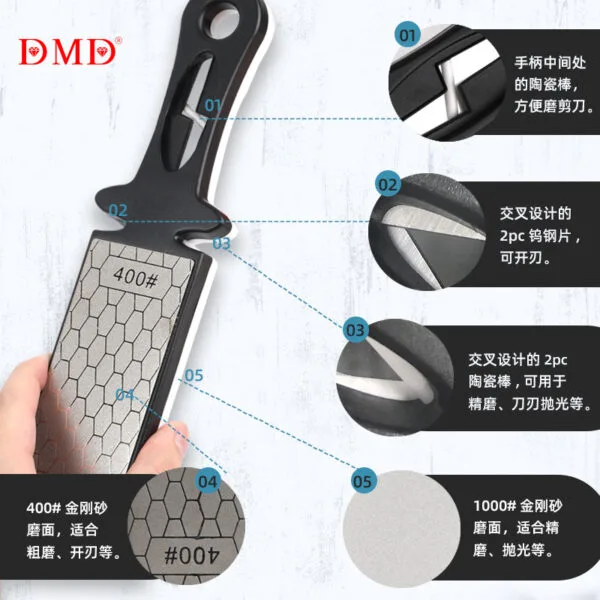
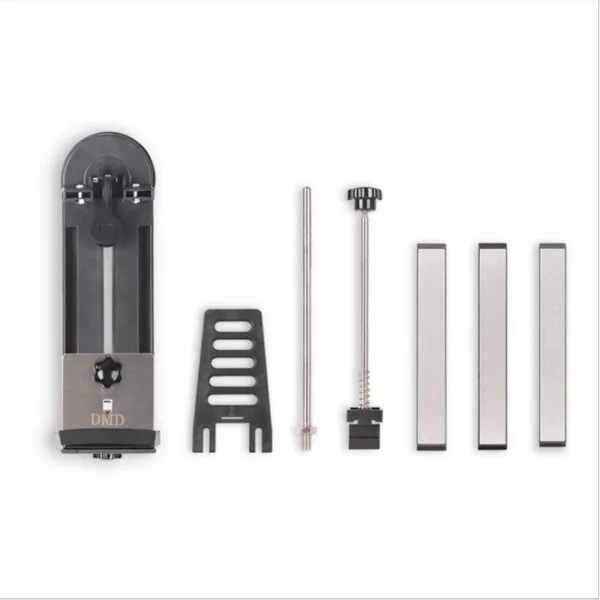

DMD Fixed-Angle Knife Sharpener with Three Diamond Stones, 1598, 1599 and 1699
Price range: $8.99 through $23.32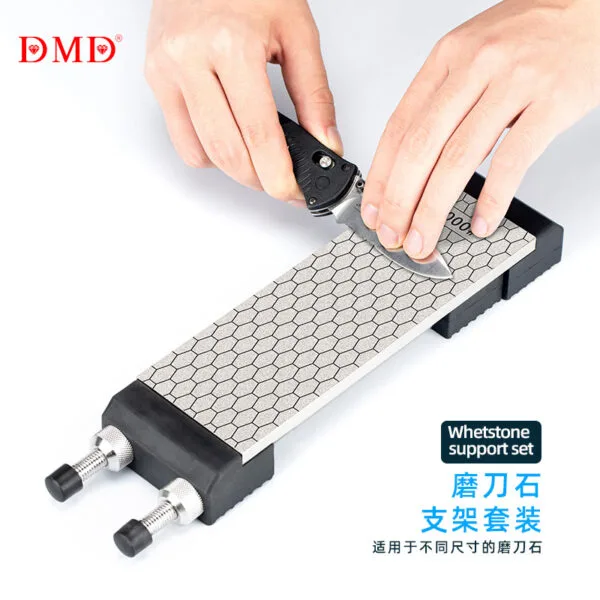

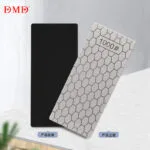
Diamond Honeycomb Sharpening Pad, 150 x 60 mm, 80 to 3000 Grit, Single or Set
Price range: $8.99 through $26.22



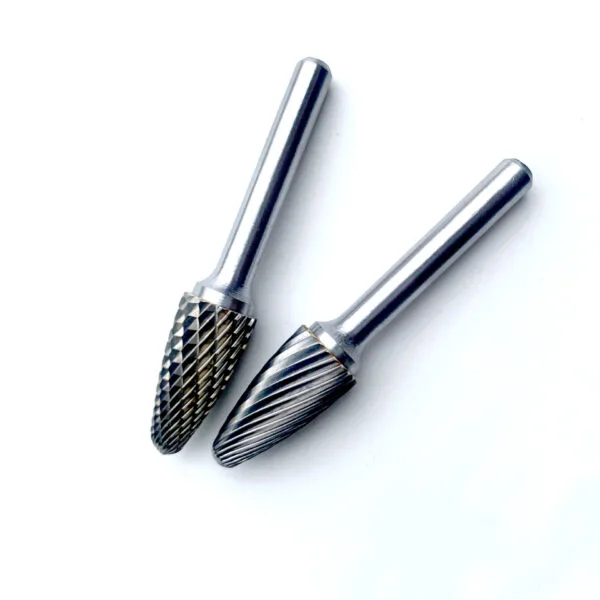
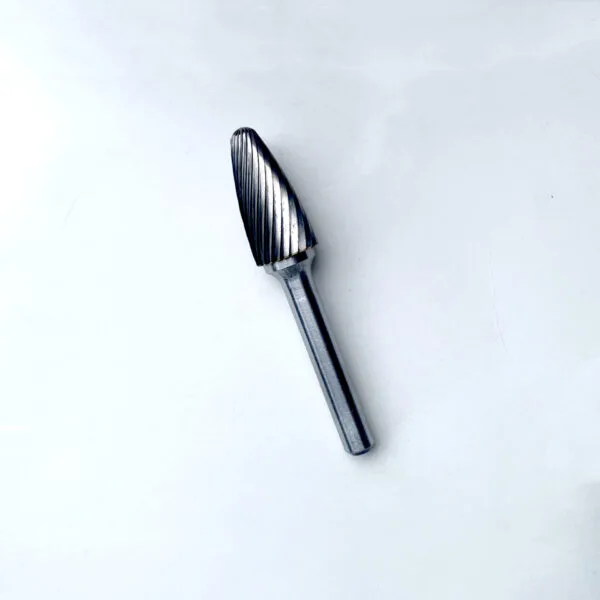
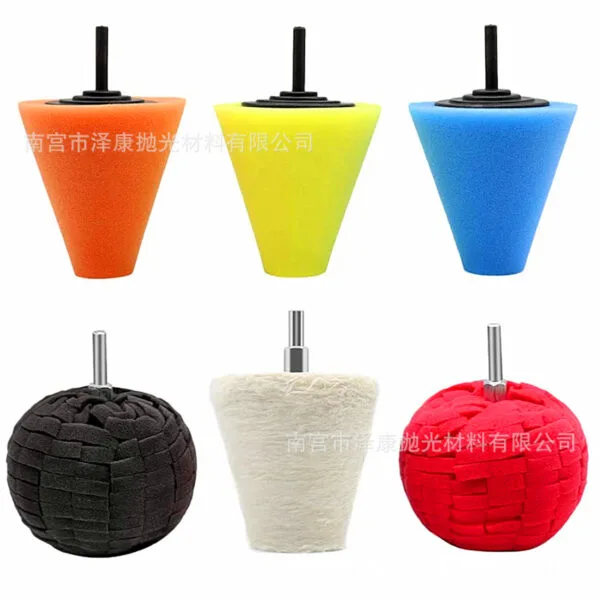
Tapered Polishing Wheel for Auto Interiors, Sponge, 6 mm (0.24 in), Clamp Handle
Price range: $11.99 through $35.99
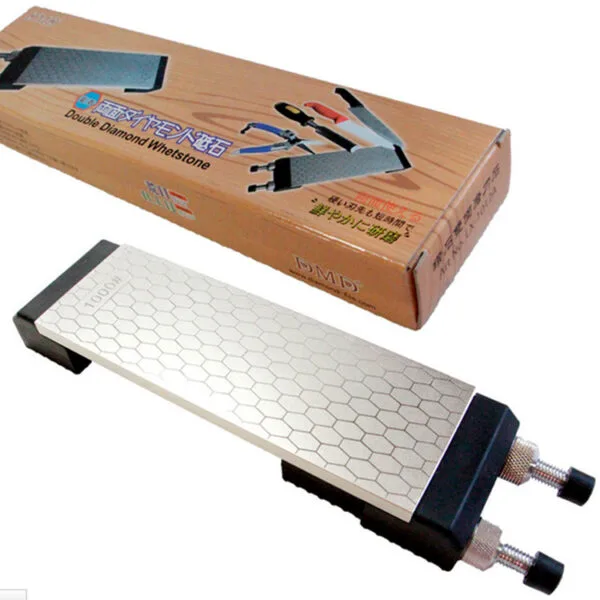
A diamond plate stays flat, and that is the point of it: hollow-ground bevels, chisels and plane irons only come back to a true edge on a surface that has not dished. This plate is electroplated on one face with diamond grit, from 200 grit for resetting a damaged bevel to 3000 grit for a final hone before a strop. It is supplied under the model codes 1452 and 1453 and covers ten grades, so a workshop can put the whole progression on the bench instead of one stone that is a compromise. Made by DMD.

Diamond Sharpening Plate: Overview
Diamond plates cut on an electroplated layer of diamond grit bonded to a flat steel plate. Unlike a water stone they do not dish under pressure, they do not need soaking, and they stay flat for the working life of the plate. For chisels, plane irons and knives with a wide bevel, that flatness is what keeps the bevel true.
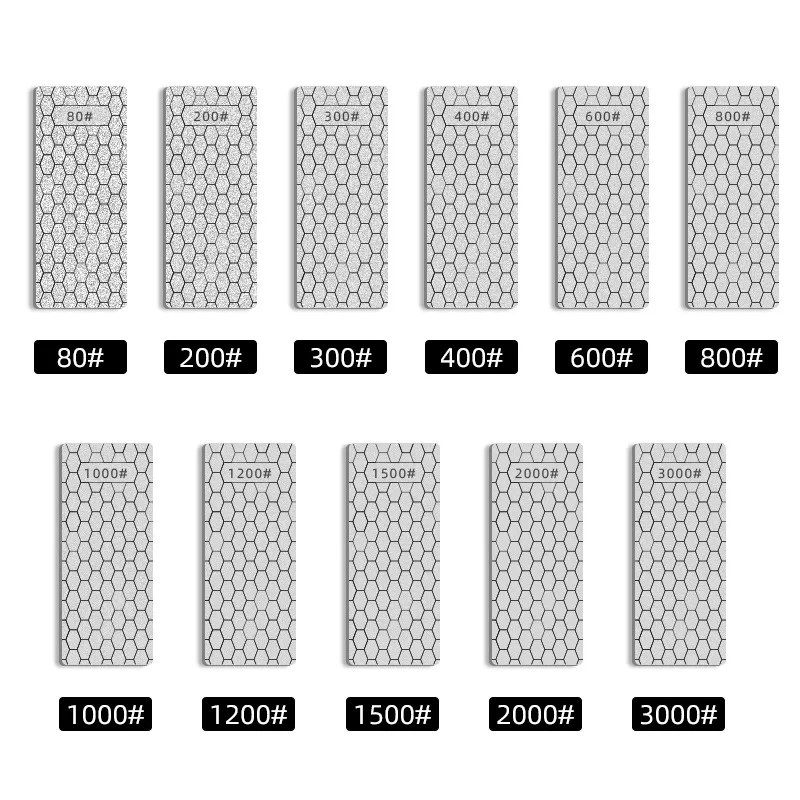
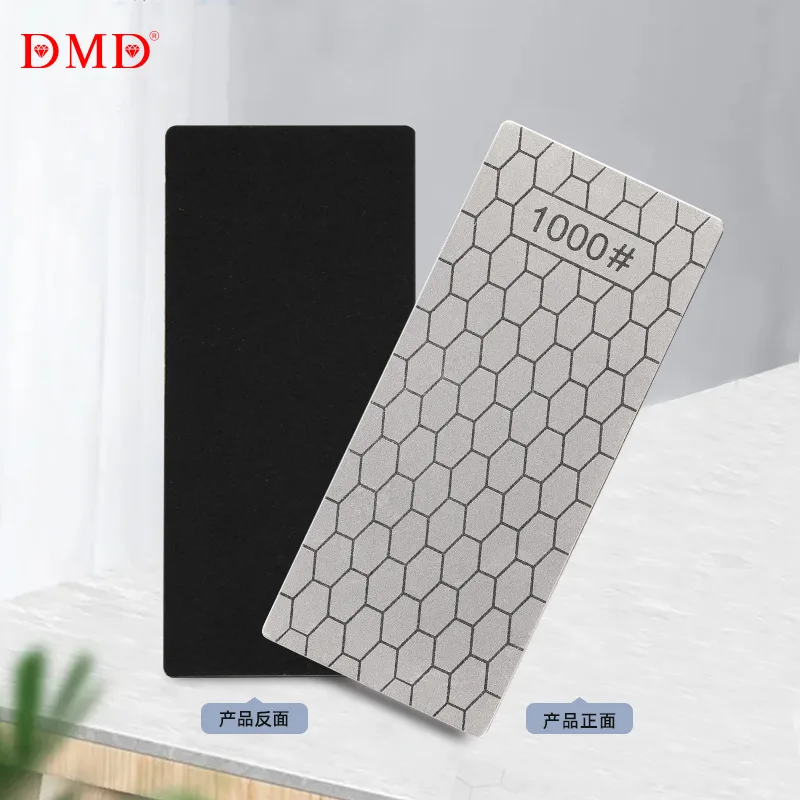
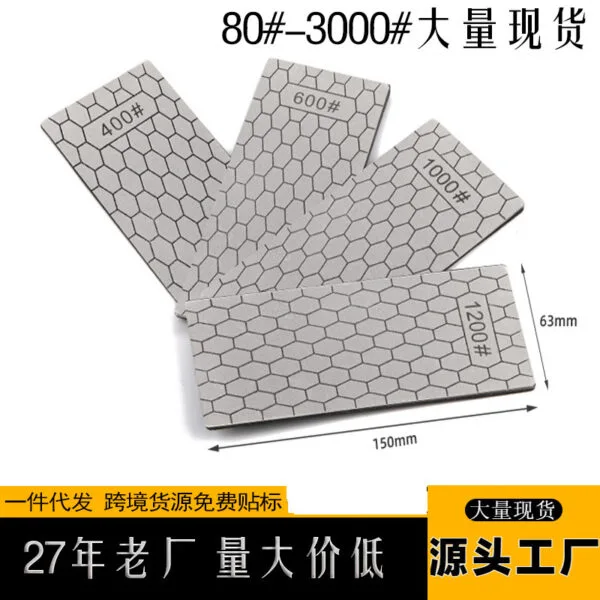
The plate is single-sided, so the back face stays reference-flat and can be laid on a bench without rocking. Ten grit grades run from 200 to 3000: the coarse end resets a bevel or removes a nick, the middle grades raise a burr and refine it, and the fine end polishes the edge before it goes to a strop.
Grit grade is the part to get right. 200 and 300 grit do the work on a damaged edge, 400 to 800 grit are the general sharpening grades, and 1000 grit and finer are for refining and finishing. The plate body is rigid, so pressure is controlled by hand rather than absorbed by the surface underneath.
Key Features at a Glance
- Electroplated diamond surface – diamond grit bonded to a flat plate, so it cuts hard steel and stays flat in use.
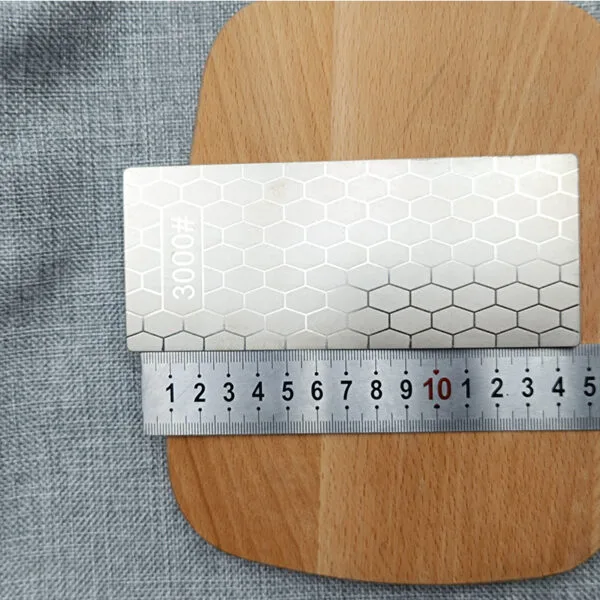
- Ten grit grades – 200, 300, 400, 600, 800, 1000, 1200, 1500, 2000 and 3000 grit, covering resetting through to honing.
- Single-sided – the back is flat and can be used as a reference face or laid down without rocking.
- No soaking – the plate is used dry or with a splash of water, so it is ready when it comes off the shelf.
- Stays flat – diamond plates do not dish the way water stones do, which is what keeps a bevel angle consistent.
- Model codes 1452 and 1453 – two plate options, so one grade or a full progression can be ordered.
Sharpening on a Diamond Plate
Choosing a grade and holding the angle
Match the grade to the state of the edge. A chisel or plane iron with a nick, or a knife being taken back to a new bevel, needs 200 or 300 grit. An edge that is simply dull goes straight to 400 or 600 grit. The fine grades, 1500 and 3000, refine an edge that is already sharp.
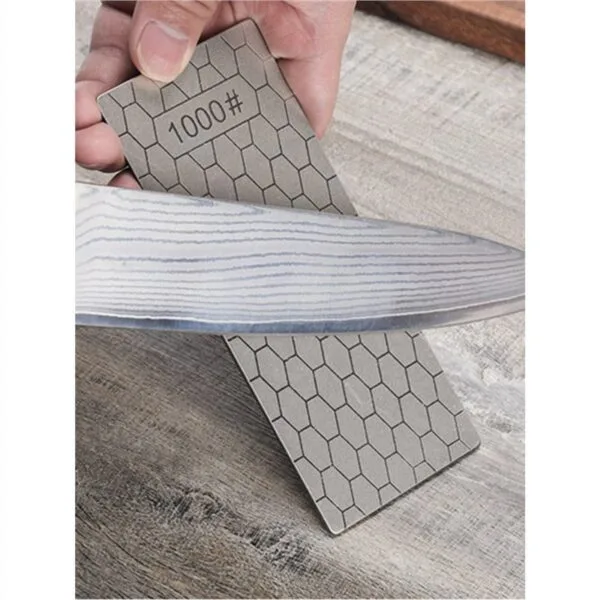
Hold the bevel flat on the plate and keep the angle steady through the stroke. Because the plate does not dish, the angle you start with is the angle you finish with, and the bevel comes up flat rather than rounded. Work the full length of the plate so the wear spreads across the diamond surface.
Reading the burr and finishing
Sharpen until a burr forms along the whole edge on the side away from the plate, then turn the blade over and take the burr off with light passes at the same angle. That burr is the sign the two bevels have met, and it is the point where a coarser grade has done its job.
Move up through the grades only once the previous one has removed its own scratch pattern. Two or three grades are usually enough in a workshop: 400 to raise the edge, 1000 to refine it, and 3000 before a strop if the work needs a polished bevel.
Wipe the plate after use. Metal particles left on the surface get pressed into the diamond layer on the next knife and dull the plate early, which is the one thing that shortens the life of any diamond plate.
Specifications
| Type | Single-sided diamond sharpening plate |
| Surface | Electroplated diamond grit |
| Grit grades | 200, 300, 400, 600, 800, 1000, 1200, 1500, 2000 and 3000 |
| Model codes | 1452 and 1453 |
| Faces | Single-sided (flat back) |
| Use | Dry or with water |
| Typical work | Knives, chisels, plane irons, carving tools |
| Packed weight (base unit) | 0.176 lb (0.08 kg) |
| Country/region of origin | China |
Packaging Information
| Model | Weight (lb) |
|---|---|
| Unit | 0.176 |
Plates ship individually protected. Bulk orders can be supplied as a full grit progression or as single grades in quantity.
Where This Plate Is Used
Sharpening woodworking chisels and plane irons, where a flat bevel matters more than speed. Bringing kitchen and workshop knives back to a consistent edge. Taking nicks out of a blade without dishing the surface the way a water stone would. Flattening and refreshing small carving tools and gouges that need a flat face to be worked against.
How to Choose
- Order a middle grade first, 400 or 600 grit, if you only sharpen edges that are dull rather than damaged. It removes material quickly and leaves an edge that cuts cleanly.
- Add 200 or 300 grit if you repair nicks or reset bevels. That is the grade that saves a blade, and it is also the grade most often left out.
- Add 1500 or 3000 grit for chisels and plane irons used on fine work, and for knives that are finished on a strop.
- A workshop that sharpens regularly is better served by two or three plates covering different parts of the range than by a single plate used for everything.
Care and Maintenance
Wipe the plate dry after every use so metal particles are not pressed into the diamond layer.
Use light pressure. Diamond cuts on contact, and leaning on the plate only breaks down the plating without sharpening any faster.
Use water or a light oil on the fine grades. It carries the swarf away and keeps the surface cutting evenly.
Store the plate so the diamond face is not resting on anything abrasive. A plate stored against another plate will wear the high spots flat.
OEM and Bulk Supply
G
r
a
d
e
,
p
l
a
t
e
o
p
t
i
o
n
a
n
d
p
a
c
k
a
g
i
n
g
c
a
n
b
e
s
p
e
c
i
f
i
e
d
f
o
r
p
r
i
v
a
t
e
–
l
a
b
e
l
a
n
d
b
u
l
k
o
r
d
e
r
s
.
M
i
x
e
d
–
g
r
i
t
s
e
t
s
a
n
d
s
i
n
g
l
e
–
g
r
a
d
e
p
a
c
k
s
a
r
e
b
o
t
h
a
v
a
i
l
a
b
l
e
.
Frequently Asked Questions
Will the plate stay flat?
Yes. The diamond layer is bonded to a rigid plate, so it does not dish the way a water stone does under pressure. That is what keeps a chisel or plane iron bevel flat through a sharpening session.
Does it need to be soaked?
No. Diamond plates are used dry or with a splash of water. There is no soaking time, so the plate is ready as soon as it is on the bench.
Which grade should I buy first?
400 or 600 grit if you are sharpening edges that are dull, and 200 or 300 grit as well if you repair nicks or reset bevels. Fine grades from 1500 up are for refining an edge that is already sharp.
How long does a diamond plate last?
It depends on pressure and cleanliness. Used with light pressure and wiped after each session, the plating holds its cut for a long time. Heavy pressure and metal swarf left on the surface are what wear it out early.
What is the difference between 1452 and 1453?
They are the two plate options in this listing; both are single-sided diamond plates and both are available across the grit grades. Order by the model code and grit you need.
Can I order a full grit progression?
Yes. Bulk and OEM orders can be supplied as a complete progression or as single grades in quantity, with packaging specified for your label.
Summary
A single-sided diamond sharpening plate with an electroplated surface, available in ten grit grades from 200 grit for resetting a bevel to 3000 grit for a final hone, under the model codes 1452 and 1453.
Prices start at $8.99 per plate. Grade selection and packaging can be specified for bulk and private-label orders.




































Reviews
Clear filtersThere are no reviews yet.