Blog
Tap and Die Sets: Cutting, Repairing and Checking Threads


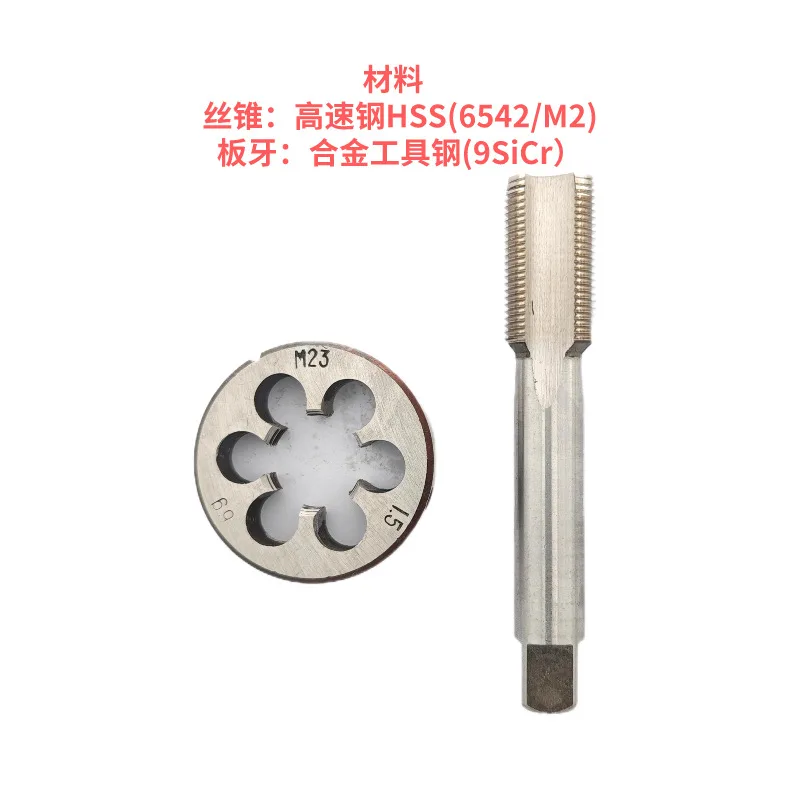
A tap cuts a thread inside a hole and a die cuts one on a shaft, and between them they are the reason a workshop can make a fixing instead of ordering one. They are also the tools that break most often, because a tap is hard, brittle and asked to cut a thread in a hole that is slightly too small. This guide covers the taps, dies and tap holders in this range and how to use them without snapping the tool.
The parts of a threading set
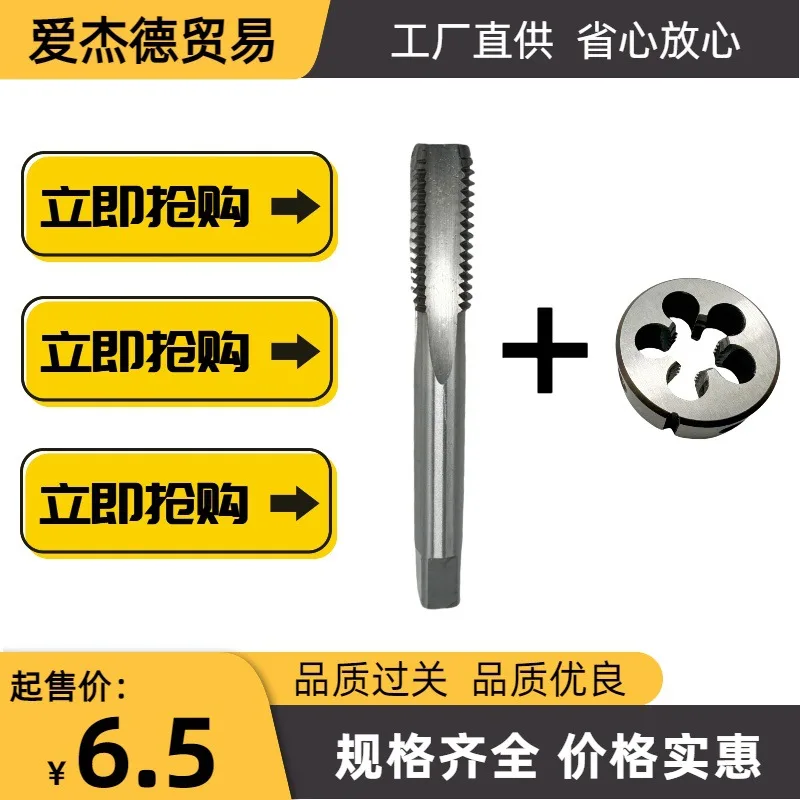
- Tap. The fluted tool that cuts an internal thread. Taper, second and bottoming taps differ in how much of the thread they cut on the first pass.
- Die. The ring that cuts an external thread on a rod, screw or stud.
- Flute form. Straight flutes are strong and suit through holes and short chips; spiral flutes lift chips out of a blind hole.
- Tap wrench or chuck. The holder that keeps the tap square. A tap held at an angle cuts an angled thread and then snaps.
- Pitch. The distance between threads. Metric coarse for general work, fine for thin walls and vibration, and each pitch needs its own tapping drill size.
What the sets cover
| Set | Range | Note |
|---|---|---|
| Metric coarse and fine machine taps | M3 to M30 | The everyday range for steel and alloy |
| In-between metric sizes | M3.5 to M21 | Fills the gaps the coarse range skips |
| Imperial UN and UNF | 4-40 to 1-3/16 in | For older machinery and imported equipment |
| Left-hand taps | Coarse and fine | For reverse threads and broken-tap removal |
Metric taps and dies
An HSS machine tap range in metric coarse and fine from M3 to M30 is the set most workshops buy first, because it covers the threads used on machinery, brackets and fixtures. High speed steel holds an edge on steel, stainless and aluminium, and a machine tap has a shorter thread length than a hand tap, which makes it stiffer and better suited to being driven in a chuck. A machine tap and die pair in metric coarse from M3 to M24 over twelve sizes and an in-between metric pair from M3.5 to M21 cover the sizes that a coarse range misses, which matters when a fitting takes a thread that is not on the standard list.
Taps and dies for imperial and repair work
A UN and UNF tap and die set from 4-40 to 1-3/16 inch covers the threads found on imported machinery, older equipment and anything American, where a metric set is simply the wrong tool. A left-hand tap set in coarse and fine sizes does two jobs: cutting a reverse thread where the design calls for one, and removing a broken tap, because a left-hand tap grips the stub and winds it out as it cuts. A straight-flute HSS tap with an alloy steel die from M3 to M20 is the general repair pair for cleaning up a damaged thread rather than cutting a new one.
Sets, holders and industrial taps
An HSS tap and die set in metric straight flute from M3 to M20 across five sizes puts the common sizes in one box, which is what a maintenance workshop actually needs. An industrial high-hardness metric tap set is the version for production work in hard or abrasive material, where an ordinary tap loses its edge in a few holes. Whichever taps are used, a tapping chuck with a torque overload clutch from M3 to M30 is the accessory that saves them: the clutch slips when the tap meets too much resistance, which is exactly the moment an unguarded tap snaps.
Cutting a thread that works
The size of the hole is the whole game. A tapping drill that is too small overloads the tap, and one that is too large gives a thread that strips under load, so use the chart for the pitch rather than a drill that looks about right. Start the tap square, using a tap wrench or a chuck and a guide, and check it after the first turn; a tap that starts crooked cannot be corrected later. Use cutting fluid on steel, back the tap off half a turn every turn or two to break the chip, and clear the flutes before they pack, because a packed flute is what breaks a small tap. In a blind hole, use a spiral flute tap so the chips come out of the hole rather than collecting at the bottom, and leave enough depth for the tap to finish the thread without bottoming out.
Repairing a thread instead of cutting one
Most threading work in a maintenance shop is repair, not production. A damaged external thread is cleaned up by running a die down it, and a damaged internal thread by running a tap through it, using plenty of lubricant and reversing often to clear debris. Where a thread is too far gone to clean, the options are a larger size, a thread insert or a welded repair, and the choice depends on the load the fixing carries rather than on what is quickest. A die used to clean an existing thread should be started square and turned gently, because a die forced onto a damaged thread cuts a new one at a slight angle and the fastener will never sit true again.
Frequently asked questions
What drill size do I need before tapping?
Subtract the pitch from the nominal diameter for metric threads. That gives the tapping drill, and it is worth checking a chart because a hole that is slightly too small is the most common reason a tap breaks.
Why do taps break?
Usually a hole that is too small, a tap started at an angle, chips packed in the flutes, or a tap driven without cutting fluid. A torque overload clutch on the holder prevents most of them.
What is a left-hand tap for?
Cutting a reverse thread, and removing a broken tap or stud: the left-hand thread grips the broken piece and winds it out as it cuts.
Difference between a hand tap and a machine tap?
A hand tap has a longer chamfer for starting by hand. A machine tap is shorter and stiffer, which makes it better in a chuck and less likely to wander.
Can I use one set for metric and imperial?
Only if the set includes both ranges. Metric and imperial threads do not interchange, and forcing one into the other damages both the thread and the tool.
Where to start
Browse the full Tap & Die Sets range, or the wider Tool Sets category if you also need socket sets, spanner sets or kit boxes. Tell us the thread, the material and whether you are cutting a new thread or repairing one, and we will point you at the taps, dies and holder that fit.